Malware Threat
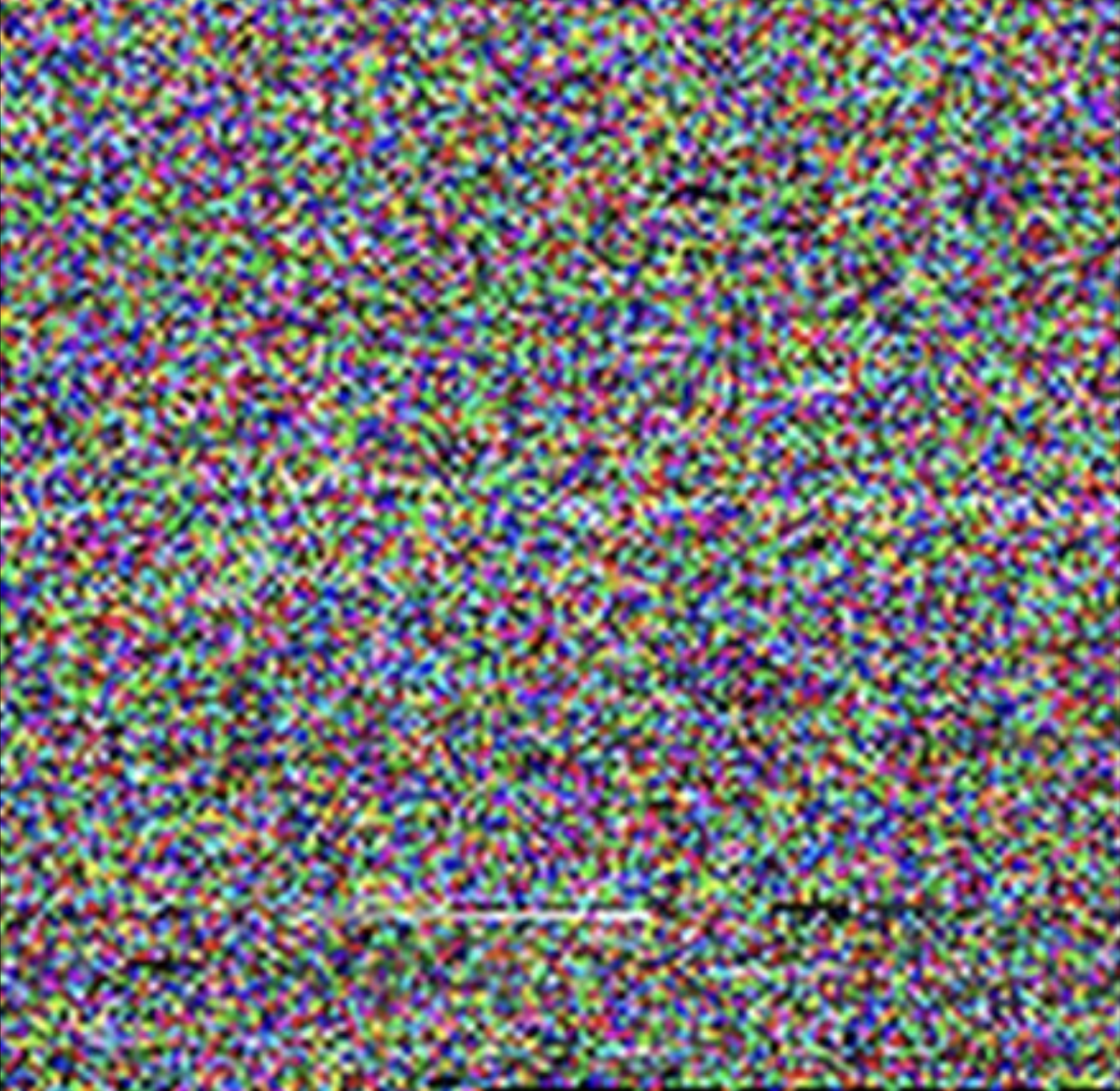
Imagine we could visualize the code inside each software application you download as an image. How would it look? Well, something like this. Conatix peeks inside each executable and graphics file you download all the way down to the atomic level of 0s and 1s, and then maps each bit and byte to pixels to create an image.
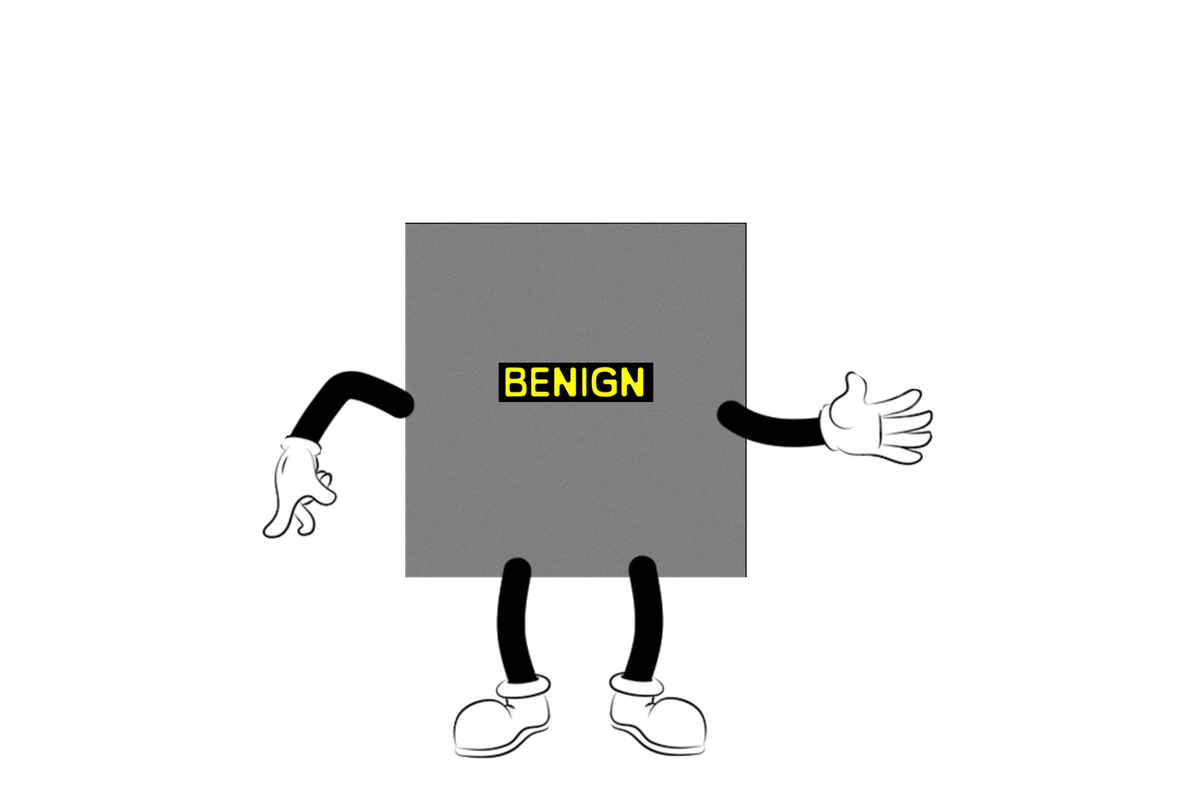
It turns out that files with malicious code inside look different than benign files with no malicious code inside, and our deep learning AI image-recognition model can tell the difference instantly. This is an example of a benign file with no malicious code in it in the wild.
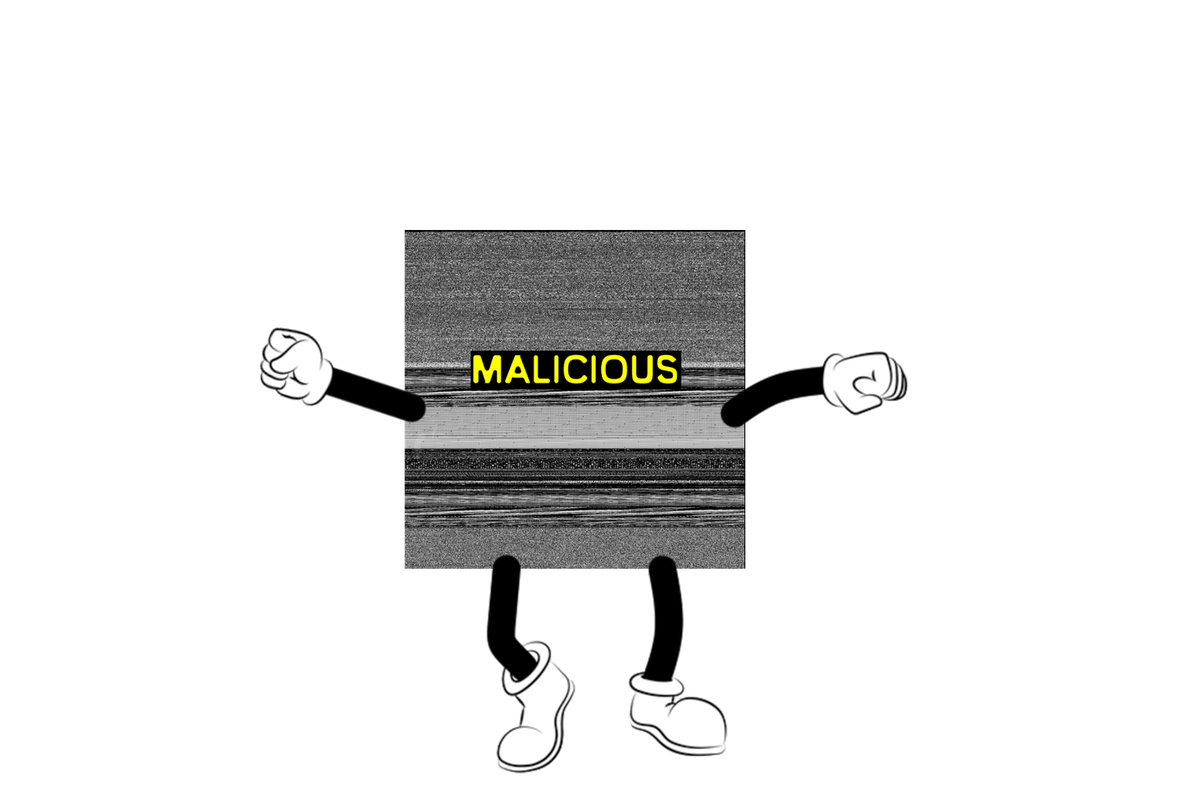
And this is a file that does have malicious code inside. See the differences? Our model can. It’s more scattered, more patterns, more heterogeneous. Imagine being able to tell that a file is malicious instantly upon download, without installing it, opening it, running it, sandboxing it, observing its behavior or its effects. Imagine quarantining it within milliseconds without incurring any of the risks of dynamic analysis that other malware detectors and antivirus softwares do. Now you can.
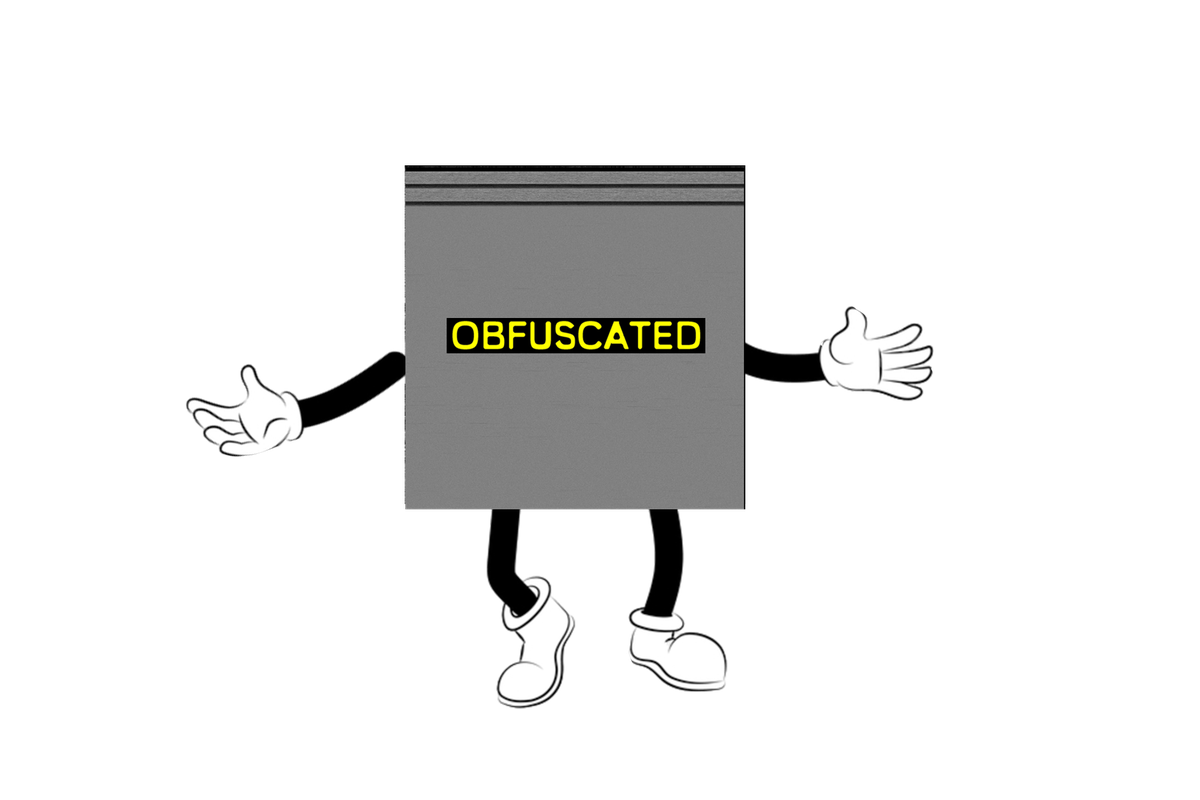
What about the frontier of adversarial malware that uses AI to further disguise, camouflage, obfuscate malicious code embedded in files to fool detectors like ours? Obfuscated malware is coming, and we are ready for it. We are adding the features and model adjustments needed so our “good AI” can also detect malware that has been disguised to be unseeable by bad actors using “bad AI.” Our good AI detector can see right through it. So you are covered.